
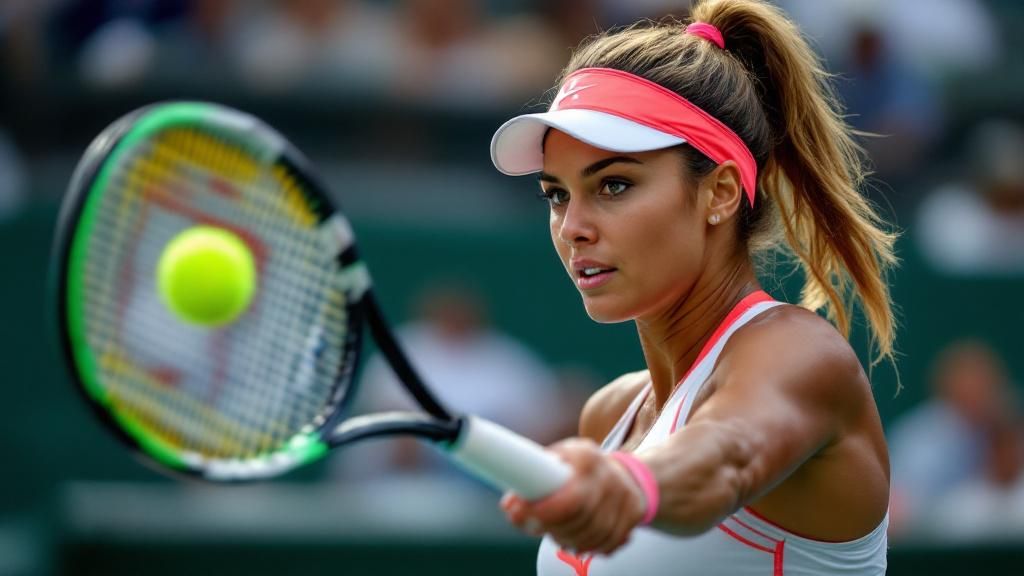
After decades of fighting for equal representation, women’s tennis has achieved a historic milestone: prize money parity with men’s events at major tournaments. This groundbreaking shift represents far more than simple monetary parity; it indicates a profound shift in how the sporting world values female athletes. This article examines the long journey towards this milestone, the pivotal moments that catalysed change, and the profound implications for women’s sport worldwide. Discover how persistence and advocacy have finally broken through one of sport’s most stubborn glass ceilings.
A Landmark Achievement for Parity in Professional Tennis
The attainment of prize money parity in women’s tennis marks a watershed moment in sports history. For generations, female players competed at the highest level whilst receiving significantly reduced financial rewards than their male counterparts, despite producing comparably engaging performances and attracting substantial worldwide audiences. This inequality was not simply a monetary burden; it symbolised systemic undervaluation of women’s athletic prowess. The recent decision by leading competitions to equalise prize money recognises the exceptional talent, commitment, and commercial appeal of women tennis professionals. This landmark change demonstrates that meaningful change is possible when key parties embrace true parity.
The path towards equal treatment has been far from straightforward. Female tennis trailblazers worked tirelessly across the latter decades of the twentieth century, challenging deeply held views and calling for recognition. Prominent athletes such as Billie Jean King became outspoken champions for equal treatment, memorably taking part in the “Battle of the Sexes” to showcase women’s capacity to compete. Their bold advocacy created vital groundwork for subsequent generations. However, progress remained frustratingly incremental, with tournaments resisting change for many years. The resolve of these campaigners, alongside increasing public backing and changing social attitudes, eventually created adequate momentum to overcome institutional resistance.
Beyond the direct financial effects, prize money equivalence carries deep symbolic significance for sport at the professional level globally. This milestone sends an unmistakable message: female athletes warrant equal compensation, respect, and investment. The decision influences perceptions across various sports, potentially prompting similar reforms in football, cricket, and track and field. Young women now witness visible validation of their sporting capabilities, fostering greater participation and investment in female sports development. Furthermore, competition organisers understand that equal prize money strengthens the sport’s integrity and commercial viability, serving the interests of all stakeholders. This success transcends tennis, reshaping conversations about gender equality in sport worldwide.
The Lengthy Process Towards Equitable Pay
The campaign for prize money equality in women’s tennis has been a lengthy battle extending over decades. Female athletes have continually disputed the narrative that their competitions were of lesser value or marketable than men’s tournaments. Despite attracting considerable television audiences and sponsorship revenue, women’s events commanded substantially lower prize purses. This disparity became progressively harder to justify as women’s tennis showed its earning potential and global appeal, prompting sustained advocacy from players, administrators, and supporters worldwide.
Throughout the last two decades of the twentieth century, incremental progress occurred at different competitions, yet comprehensive parity remained elusive at the sport’s most prestigious events. The pivotal moment emerged through relentless efforts by prominent players and growing public awareness of the imbalance. Top-tier competitions eventually acknowledged that equitable prize distribution was at once a matter of principle and also a prudent business strategy. The realisation of parity constitutes validation for many athletes who committed themselves to this movement, creating a benchmark that resonates throughout professional sport.
Effects on Players, and the Outlook for Women’s Tennis
The achievement of prize money parity marks a transformative moment for professional female tennis players. Beyond the direct monetary benefits, this milestone indicates a profound shift in how society values women’s athletic achievements. Players can now participate on equal terms, removing a significant psychological barrier that had persisted for generations. This parity allows female athletes to pursue tennis as a sustainable career, attracting greater talent and investment to the sport.
The broader impacts of this decision extend far beyond tennis courts. By establishing parity in prize funds at the sport’s elite levels, governing bodies have established a significant benchmark for other sports and sectors worldwide. Young girls following women’s professional tennis now see inspirational figures competing for equal rewards, significantly altering career goals and pathways. This public acknowledgement encourage greater involvement at grassroots levels, strengthening the sport’s base for decades to come.
- Strengthened financial security for leading female players internationally
- Greater press attention and brand endorsements for women
- Increased investment in female tennis training initiatives
- Better figures encouraging the future cohort of athletes
- Drive for equality across professional sport generally internationally
Looking forward, the achievement of prize money parity marks merely the start of a broader transformation in women’s tennis. Tournament operators must now prioritise equal media coverage, facility access, and promotional investment to guarantee true parity. The achievement of this initiative demonstrates that structural reform is possible when stakeholders commit to equity. As women’s tennis keeps developing, this monetary landmark will undoubtedly inspire continued advancement across professional sport.
