
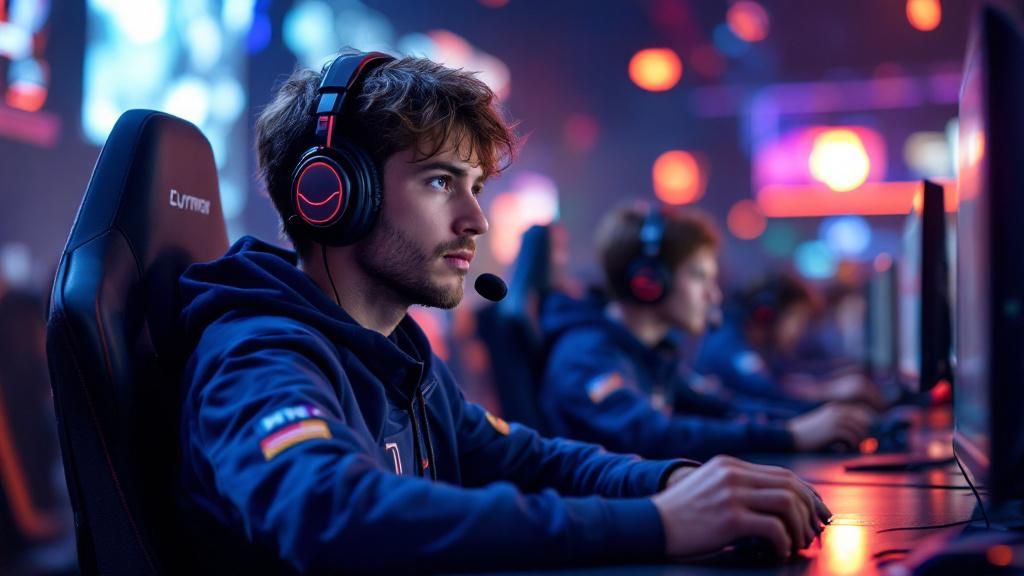
The esports industry has taken a significant step forward in championing competitor wellbeing. Major tournament organisers have together launched a detailed player protection standards framework, confronting persistent issues about psychological wellbeing, employment standards, and equitable treatment within competitive esports. This landmark initiative constitutes a pivotal moment for esports legitimacy, setting foundational safeguards that could reshape how the industry operates. We explore the framework’s principal elements, the organisations driving this change, and what it means for athletes and professional gaming in the future.
Comprehensive Industry Pledge to Player Wellbeing
The coordinated partnership between prominent esports bodies marks a pivotal turning point for athlete safeguarding within esports competition. This unified framework demonstrates the market’s authentic resolve to establishing sustainable standards that prioritise competitor wellbeing alongside sporting achievement. By combining knowledge and capabilities, these organisations have developed detailed frameworks addressing bodily fitness, psychological wellbeing, and occupational safety. The programme demonstrates increasing awareness that player welfare directly influences performance quality and sustained careers, making it vital to the sport’s credibility and growth.
Tournament organisers have recognised that past requirements were disjointed and variable, exposing competitors to overwork and exhaustion. The updated system standardises expectations among principal events, ensuring every professional competitor gets fair consideration and access to essential support services. This integrated system eradicates unequal conditions resulting from differing safeguards and creates equal opportunities. Industry experts stress that these standards represent minimum requirements, urging bodies to go beyond minimum standards and create truly caring settings where athletes can flourish in career and personal development.
Essential Elements of the Social Support Framework
The newly formed welfare framework consists of various interrelated pillars designed to safeguard player welfare comprehensively. These elements tackle mental wellbeing assistance, physical fitness, reasonable working standards, and straightforward conflict resolution procedures. By combining these components, tournament operators aim to create a holistic approach that treats esports athletes as professional athletes entitled to strong safeguards. The framework establishes essential standards that all affiliated tournaments need to establish, ensuring uniform player protections across the professional gaming environment.
Mental Wellness Care Services
Recognising the psychological pressures present within esports at a professional level, the framework stipulates availability of mental health professionals for all competing players. Tournament organisers are required to provide confidential therapy services, through direct delivery or collaborative arrangements with experienced mental health organisations. Such services include stress reduction, support for performance-related anxiety, and emergency intervention services. Players gain access to experienced psychologists who understand esports-specific challenges, encompassing digital harassment, intense competitive pressure, and career instability.
The framework further stipulates tournaments to establish mental health awareness programmes and stigma-reduction efforts across the community. Organisers are required to educate players, coaches, and staff about recognising mental health concerns and utilising appropriate support. Periodic reviews and wellbeing tracking mechanisms help spot struggling players at an early stage, facilitating proactive intervention before situations develop into severe mental health emergencies.
Physical Wellbeing Requirements
Tournament coordinators must create thorough health and safety standards addressing ergonomics, recovery intervals, and clinical supervision. The framework stipulates correct seating arrangements, screen placement, and rest periods to minimise overuse injuries frequently seen in esports professionals. Healthcare professionals must be present at large-scale competitions to handle pressing health problems, whilst organisers are mandated to provide information about injury avoidance and appropriate healthcare resources for sustained athlete progression.
Environmental circumstances at tournament locations are now covered under strict standards ensuring player comfort and safety. Regulations cover temperature control, lighting standards, and noise levels to create optimal performance conditions. Additionally, the framework supports players to complete periodic health checks and delivers guidance on diet, sleep hygiene, and exercise routines essential for sustained competitive excellence in esports.
- Ergonomic equipment evaluations performed by certified experts
- Mandatory rest periods during competitions reducing athlete fatigue
- On-site medical staff present throughout competitive events
- Injury prevention training and rehabilitation service availability
- Health monitoring programmes tracking player wellbeing throughout seasons
Rollout Schedule and Requirements
The framework will be rolled out in three different phases, starting immediately with preliminary assessments across participating organisations. Tournament operators have pledged to completing initial audits of their existing operations by the first quarter deadline, highlighting discrepancies between current procedures and the new standards. This foundational phase ensures a detailed evaluation of each organisation’s baseline position before introducing significant modifications. Following phases will include staff training, policy updates, and the implementation of autonomous monitoring systems to ensure adherence and transparency throughout the esports industry.
The standards themselves include mandatory provisions relating to mental health support, practical training timetables, and transparent prize distribution protocols. Each organisation should establish a designated welfare champion accountable for managing grievances and ensuring adherence to guidelines. Routine inspections, performed by third-party bodies, will confirm adherence and highlight zones for development. These extensive protections establish measurable benchmarks for competitor welfare, with enforcement mechanisms including financial penalties and potential tournament sanctions for organisations unable to meet required standards.
Industry Response and Future Outlook
The announcement has garnered considerable endorsement from stakeholders across the professional esports landscape. Player unions have praised the guidelines as a necessary step towards advancing the professional standards of the sector, whilst organisation proprietors and sponsors acknowledge the opportunity for improved legitimacy and sustainability. Hardware producers and broadcast services have committed to embed safeguarding measures into their business practices, reflecting a collective commitment to systemic change. Initial signs suggest that governing authorities and public sector leaders view the criteria positively, potentially paving the way for legislative recognition of competitive gaming as a legitimate professional sector.
Looking ahead, sector analysts anticipate that this framework will serve as a template for global adoption, with regional tournaments and grassroots events expected to implement similar guidelines. The initiative is likely to inspire ongoing discussion regarding athlete remuneration, professional progression routes, and psychological support services. As esports continues its rapid expansion, these welfare standards constitute a crucial safeguard ensuring that competitive gaming remains sustainable, inclusive, and considerate for all participants, in turn strengthening the industry’s position as a legitimate competitive sector.
